
 LIFE STYLE
Which is better, PVC wall panels or bamboo and wood fiber wall panels
Bamboo and wood fiber wall panels generally outperform PVC wall panels in terms of environmental friendliness, fire resistance, and long-term stability, but they are more expensive. PVC wall panels, on the other hand, are more cost-effective. The choice between them depends on your budget, usage scenario, and priorities regarding material performance.
Key Differences:
– Different Material Composition: The main ingredient of PVC wall panels is polyvinyl chloride plastic. Bamboo and wood fiber wall panels, however, are composite materials typically made from a mixture of bamboo powder, wood powder, calcium powder, and PVC resin, which are then molded under high temperature.
– Environmental and Safety Performance: Bamboo and wood fiber wall panels are produced using virgin materials and do not require adhesives during the high-temperature molding process, resulting in lower formaldehyde emissions and making them more environmentally friendly. PVC wall panels are often made from recycled plastic, so their environmental impact is relatively higher. In terms of fire resistance, bamboo and wood fiber wall panels have flame-retardant properties and can extinguish on their own once the open flame is removed. PVC wall panels, being made of plastic, are flammable and lack fire-resistant properties.
– Physical Properties and Durability: Bamboo and wood fiber wall panels perform well in terms of moisture resistance, corrosion resistance, sound insulation, and heat insulation. They also do not experience significant thermal expansion and contraction. PVC wall panels may experience such issues over time. Additionally, bamboo and wood fiber wall panels usually have a longer lifespan.
– Price Difference: Due to higher raw material and manufacturing costs, the market price of bamboo and wood fiber wall panels is generally higher than that of PVC wall panels.
Sign Up For Newsletter
For more information or to purchase products, please...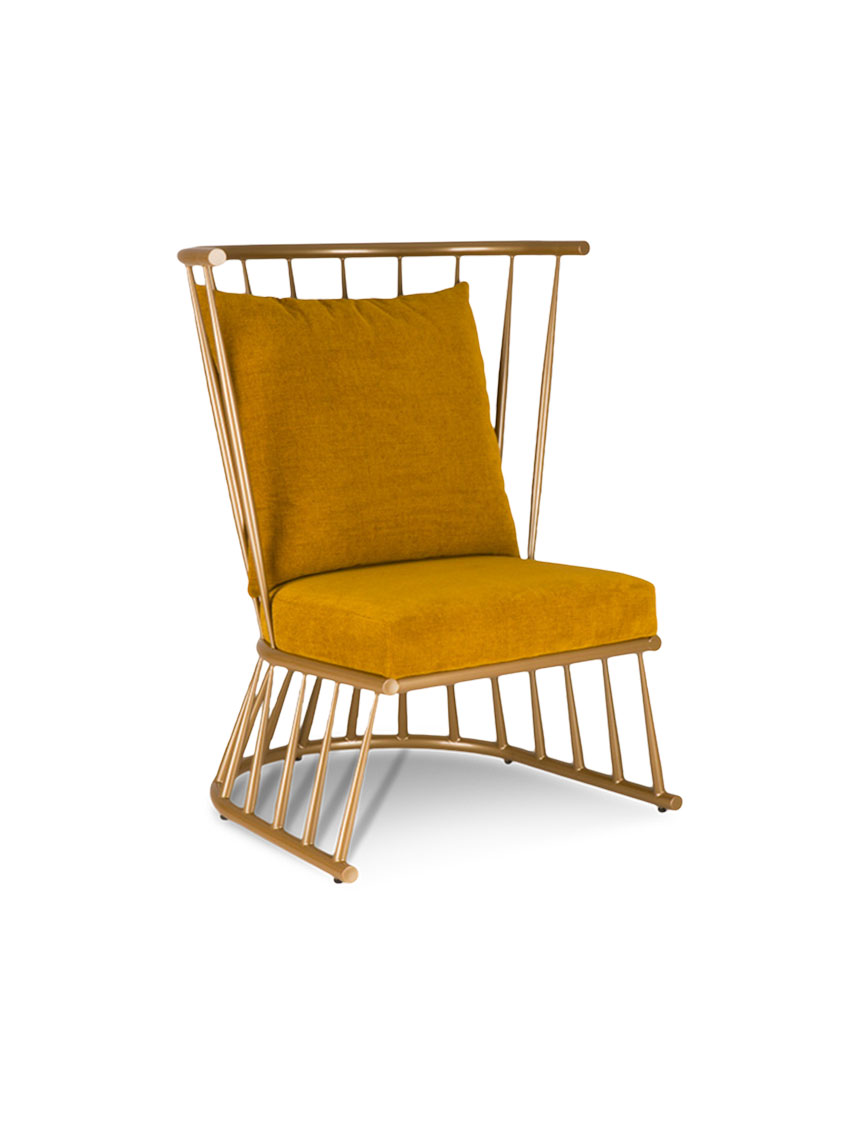
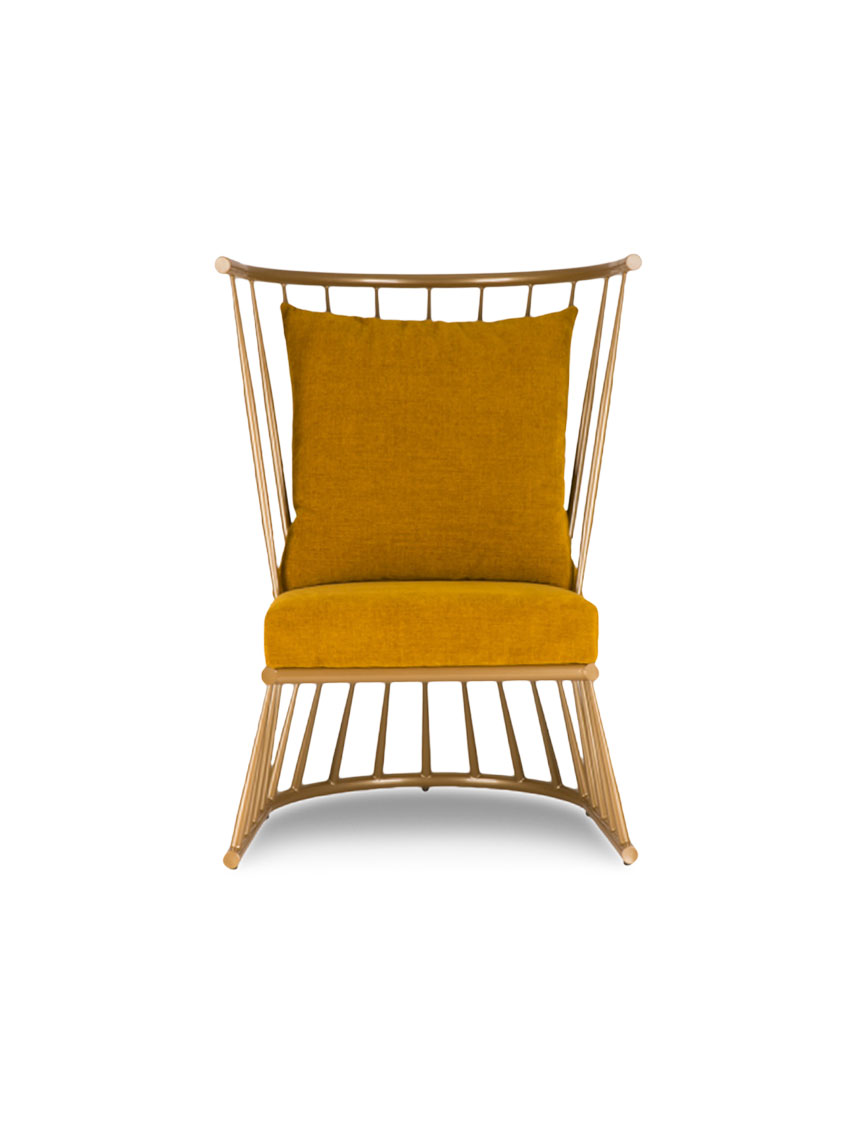
Form Armchair Yellow Base
$19.99
Sed ligula sapien, fermentum id est eget, viverra auctor sem. Vivamus maximus enim vitae urna porta, ut euismod nibh lacinia. Pellentesque at diam sed libero tincidunt feugiat.
Leave a Reply
Your email address will not be published. Required fields are marked *