
 LIFE STYLE
PS sheet vs.acrylic and PC sheets: key differences
The key differences between PS board (polystyrene), acrylic board (PMMA/polymer methacrylate), and PC board (polycarbonate) lie in their chemical composition, light transmittance, impact resistance, weather resistance, and processing characteristics.
**Chemical Composition and Common Names:**
- PS board is made of polystyrene, commonly known as “organic board.”
- Acrylic board is made of polymer methacrylate, also called plexiglass.
- PC board is made of polycarbonate, often referred to as “impact-resistant board.”
All three are thermoplastic plastics, but their molecular structures and monomers differ significantly.
**Light Transmittance:**
Acrylic board has the best light transmittance (92%–95% for visible light, with uniform light distribution and no scattering). PS board follows closely (88%–92%), but may develop haze or slight scattering due to aging or impurities. PC board has lower transmittance (typically 85%–89%); this value can drop to around 80% if the board has a UV coating or scratch-resistant layer.
**Impact Resistance:**
PC board is the strongest material here. Its impact resistance is 250–300 times that of ordinary glass and 20–30 times that of acrylic board. It’s considered “shatterproof glass.” Acrylic board offers moderate impact resistance (4–5 times that of glass), but it’s brittle and prone to cracking under heavy impact. PS board is the weakest; GPPS version is extremely brittle and breaks easily under impact, while HIPS version is more impact-resistant but less transparent.
**Weather and Aging Resistance:**
Acrylic and PC boards with UV coatings perform excellently and can be used outdoors for 3–10 years without significant yellowing. PS board, however, deteriorates rapidly under prolonged UV exposure: it becomes brittle, yellowes, and loses its texture. It’s best suited for short-term indoor use only.
**Processing Properties:**
Acrylic board is easiest to shape through heat treatment (softening temperature: 100–120°C). It can be finely carved, bent, and bonded. PC board requires higher temperatures (180–220°C) for processing. It’s suitable for large curved surfaces but difficult to work with for detailed designs. PS board is easy to cut and injection-mold, but GPPS version is brittle with a low heat deformation temperature (around 80°C), making it prone to breaking in complex shapes.
**Flammability:**
When burned, PS board produces thick black smoke, emits a styrene odor, and continues to burn after being removed from the flame. Acrylic board burns with a clear flame, no black smoke, and produces bubbles; it can also be drawn into threads. PC board is difficult to ignite, extinguishes on its own, and produces molten droplets along with minimal black smoke due to its flame-retardant properties.
**Density and Weight:**
PS board is the lightest (about 1.05 g/cm³), followed by acrylic board (1.18–1.19 g/cm³). PC board is the heaviest (about 1.20 g/cm³). All three are lighter than glass, but PC and acrylic offer higher strength and stiffness.
**Typical Applications:**
- Acrylic board is used for high-end illuminated signs, light boxes, and display racks due to its excellent light transmission and aesthetic qualities.
- PC board is ideal for bulletproof windows, greenhouse roofs, and industrial applications requiring strong impact and weather resistance.
- PS board is suitable for packaging trays, household appliance casings, and temporary indoor signs because of its low cost and ease of processing. However, it’s not suitable for outdoor use.
In summary:
- For high light transmittance and easy processing, choose acrylic.
- For high strength and impact resistance, choose PC.
- For low cost and simple indoor applications, choose PS.
These materials cannot be substituted for each other. The choice should be based on the specific requirements regarding optical properties, mechanical strength, and durability for a given application.
Sign Up For Newsletter
For more information or to purchase products, please...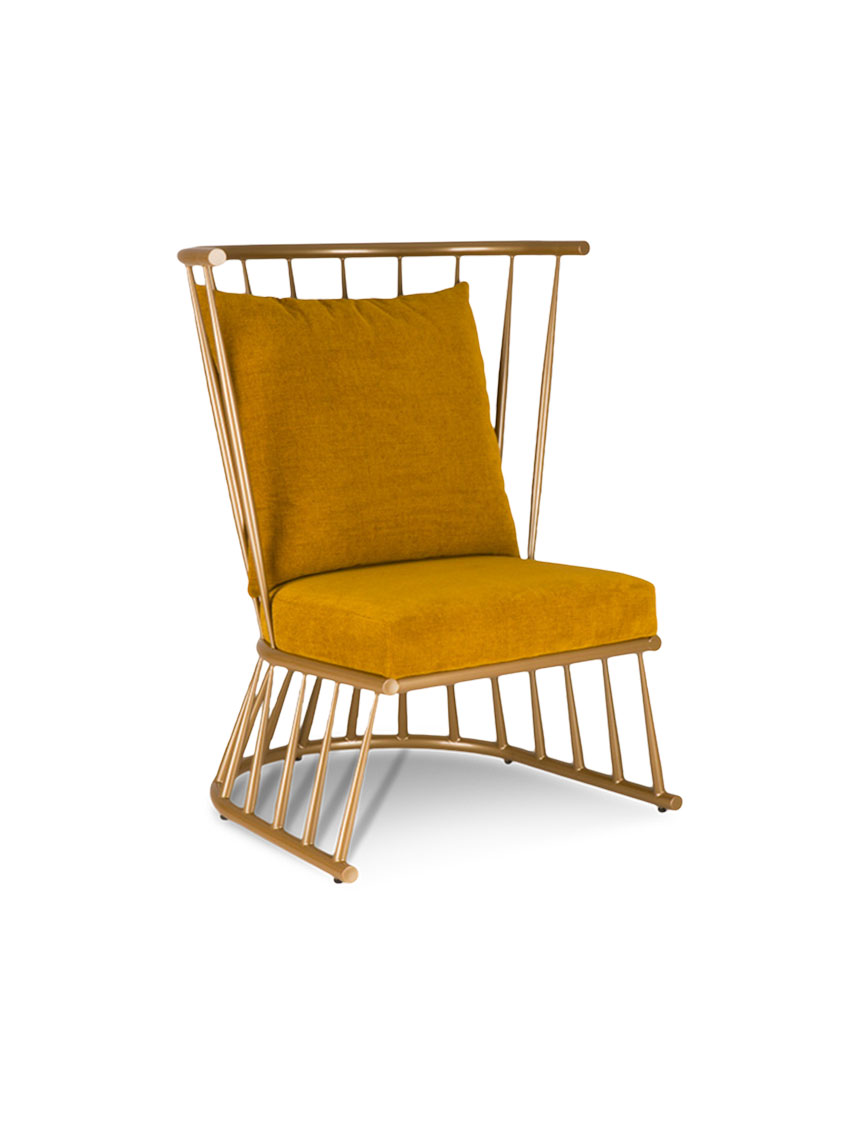
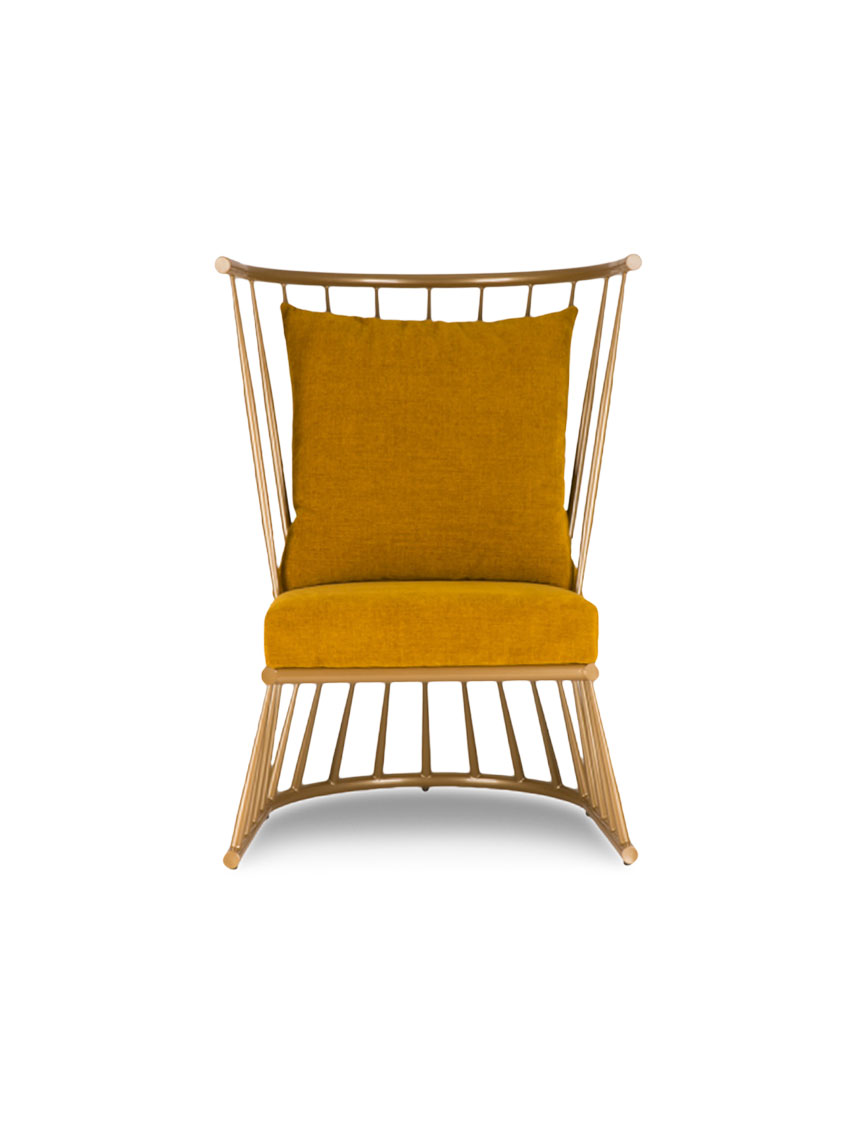
Form Armchair Yellow Base
$19.99
Sed ligula sapien, fermentum id est eget, viverra auctor sem. Vivamus maximus enim vitae urna porta, ut euismod nibh lacinia. Pellentesque at diam sed libero tincidunt feugiat.
Leave a Reply
Your email address will not be published. Required fields are marked *